

United Imaging uAIFI Empowered 1.5T MR uMR 680
Introduction:
The uMR 680 stands at the forefront of innovation, empowered by the uAIFI technology. This cutting-edge suite of technologies not only revolutionizes patient comfort but also maximizes efficiency and productivity while delivering high-quality imaging. With its advanced capabilities such as, uCS (united Compressed Sensing), uMR 680 ensures fast scanning to optimize workflow and throughput. Exceptional system performance opens doors to a myriad of clinical scenarios, allowing for a more comprehensive range of applications and patient care.
参考价:
US$250,000–500,000 / unit
Overview
· 1.5T high-performance MRI system
· 70 cm wide bore
· 45 mT/m maximum gradient amplitude
· 200 T/m/s maximum slew rate
· Up to 96 independent RF receiver channels
· High magnetic-field homogeneity
· uAIFI DeepRecon deep learning reconstruction
· uAIFI EasySense contactless respiratory sensing
· QScan quiet scanning technology
· Starlight bore lighting experience
· Whole-body and whole-spine imaging
· 256-direction DTI
· Ultra-high b-value DWI
· High-resolution vascular wall imaging
· uCS Cine cardiac imaging
· Free-breathing abdominal MRI
· Non-contrast-enhanced MRA
· Large-FOV abdominal imaging
· Suitable for clinical and research applications
Specifications
| Specification | uMR 680 |
| Product Type | Magnetic Resonance Imaging (MRI) System |
| Manufacturer | United Imaging Healthcare |
| Model | uMR 680 |
| Magnetic Field Strength | 1.5 Tesla |
| Bore Diameter | 70 cm |
| Maximum Gradient Amplitude | 45 mT/m |
| Maximum Slew Rate | 200 T/m/s |
| Independent RF Receiver Channels | Up to 96 |
| Magnetic Field Shimming | Passive & Active |
| Cryogen Evaporation During Scanning | 0% under normal use |
| Field of View | Up to 50 × 50 × 50 cm³ |
| Minimum Scanning Room Area | 19.83 m² |
| Minimum Control Room Area | 4 m² |
| Respiratory Monitoring | EasySense contactless millimeter-wave radar |
| Image Reconstruction | DeepRecon deep learning reconstruction |
| Quiet Scanning | QScan |
| Clinical Applications | Neurology, Orthopedics, Cardiology, Body Imaging, Angiography |
| Safety Standards | EN 60601-1, EN 60601-1-2, EN 60601-2-33 |
Product Details
1. uAIFI Technology Platform
The uMR 680 is built around United Imaging's uAIFI Technology platform.
uAIFI integrates artificial intelligence, advanced hardware and intelligent sensing technologies throughout the MRI workflow. The platform is designed to improve:
· Image quality
· Scan efficiency
· Patient comfort
· Workflow automation
· Clinical application capabilities
The three key technologies highlighted on the current international product page are DeepRecon, EasySense and QScan.
2. DeepRecon AI Image Reconstruction
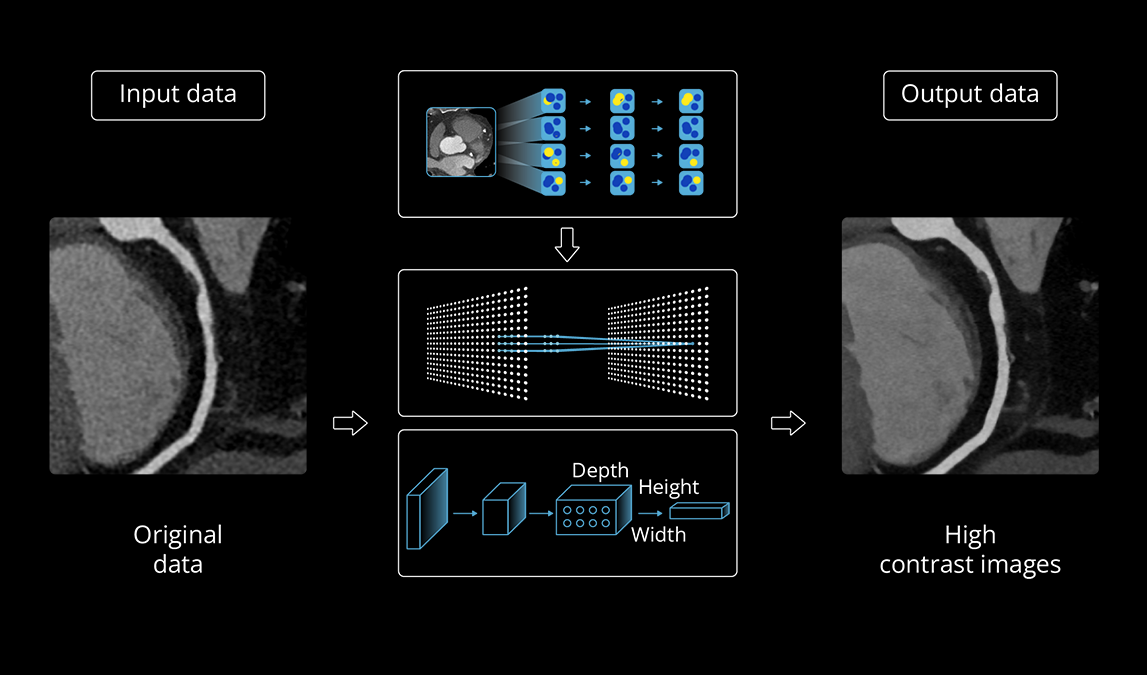
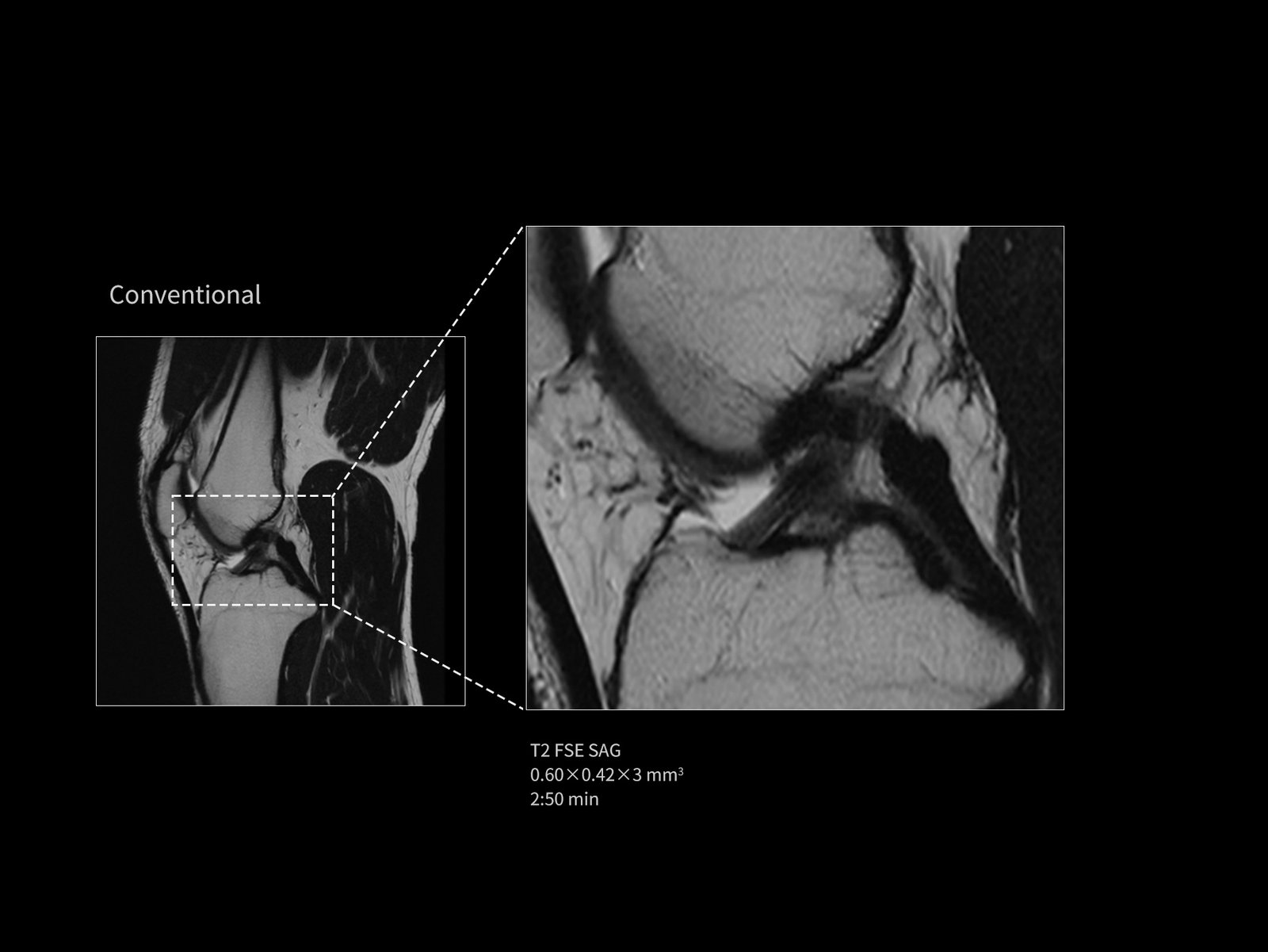
DeepRecon is a deep learning-based MRI image reconstruction technology.
It uses a convolutional neural network-based model to intelligently identify noise within acquired MR data and reconstruct images with improved signal-to-noise ratio and image sharpness.
United Imaging describes DeepRecon as providing four major benefits:
· Intelligent Noise Reduction
· Improved Image Sharpness
· High Fidelity
· Broad Field-of-View
The high-fidelity architecture incorporates safeguards in both the image domain and K-space domain, helping maintain image structure and contrast while suppressing noise.
DeepRecon is particularly useful for high-resolution examinations where maintaining both image sharpness and signal quality is important.
3. 3.0T-Level Gradient Performance
One of the major features of the uMR 680 is its high-performance gradient system.
The system provides:
45 mT/m maximum gradient amplitude
200 T/m/s maximum slew rate
The gradient performance is designed to improve signal-to-noise ratio and image sharpness, while supporting demanding applications such as advanced diffusion imaging, DTI and cardiac MRI.
The high-performance gradient system also enables shorter echo times in diffusion imaging, which can help improve image quality and quantitative diffusion assessment.
4. High-Performance Magnet and Field Homogeneity
The uMR 680 features a high-performance magnet with a 70 cm wide bore.
United Imaging reports magnetic-field homogeneity of approximately:
0.033 ppm @ 30 cm DSV (Typical)
The high level of field uniformity helps support consistent fat suppression and high-quality imaging across a large field of view. The system provides a spacious 50 × 50 × 50 cm³ field of view, facilitating patient positioning and large-area imaging.
The combination of a wide bore and high magnetic-field uniformity is particularly useful for patients who may experience discomfort or claustrophobia during conventional MRI examinations.
5. High-Density RF Receiver System
The uMR 680 supports up to 96 independent RF receive channels on the current global configuration.
The high-density RF architecture allows the system to collect more MR signal data simultaneously, supporting high-resolution imaging and faster acquisition.
It is designed to work with high-density surface coil arrays and is particularly valuable for advanced neurological, orthopedic and body imaging applications.
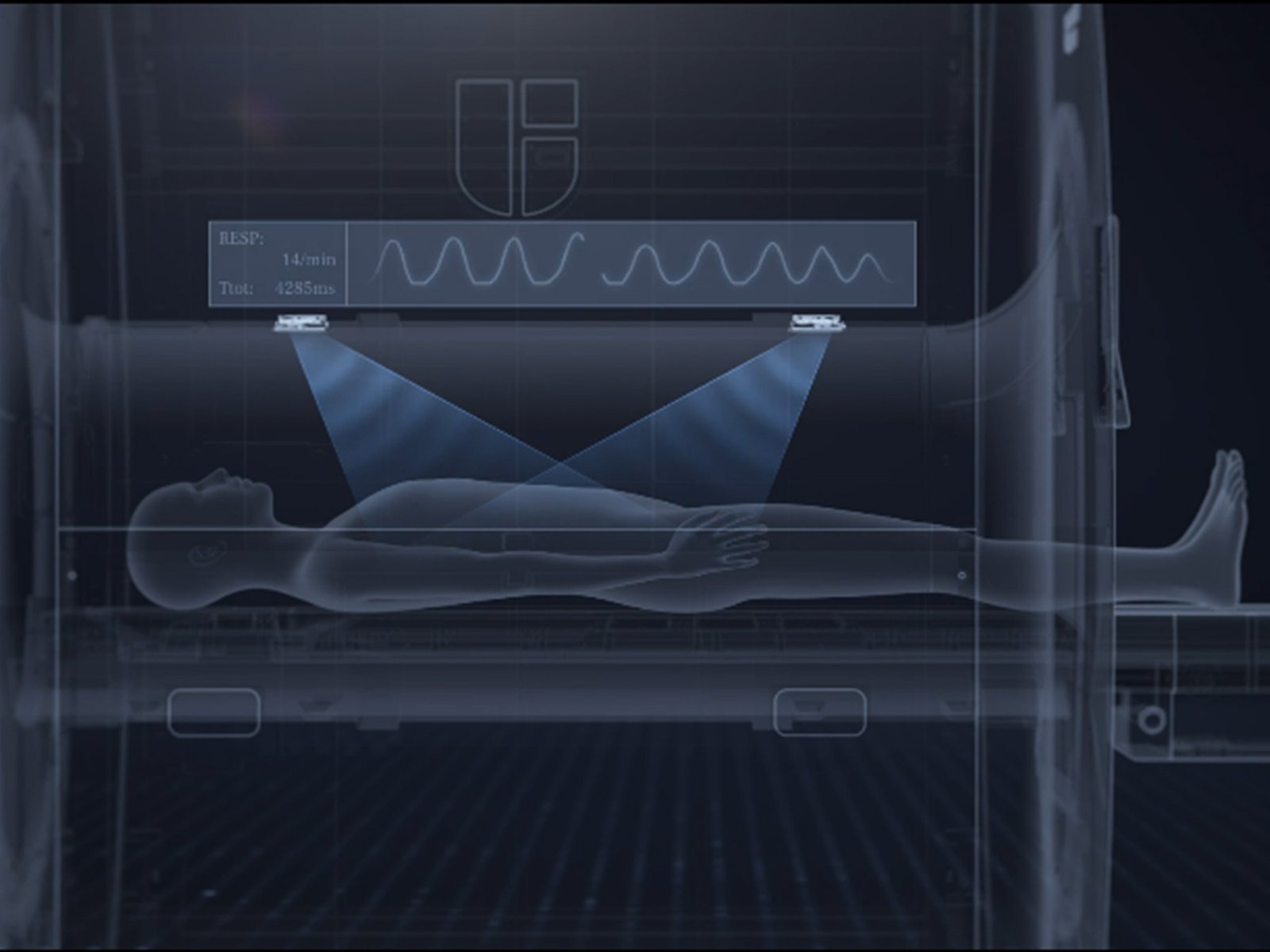
6. EasySense Contactless Respiratory Sensing
EasySense is a contactless respiratory monitoring technology based on millimeter-wave radar.
Instead of attaching a traditional respiratory belt to the patient, EasySense uses a radar-based sensing system integrated into the MRI bore to monitor respiratory movement without physical contact.
United Imaging describes the system as a dual-source phased-array millimeter-wave radar solution.
Its published specifications include:
· Contactless respiratory monitoring
· Detection accuracy down to 0.1 mm
· Temporal resolution up to 20 ms
· No respiratory belt required
· Compatible with clothing and MRI RF coils
This technology can be particularly useful for patients who have difficulty following breath-holding instructions or for examinations that require free-breathing respiratory synchronization.
7. QScan Quiet Scanning Technology
MRI acoustic noise can be uncomfortable for patients and may increase anxiety during examinations.
The uMR 680 incorporates QScan, a quiet scanning technology designed to transform gradient pulses into smoother waveforms.
United Imaging states that QScan can achieve up to 97% acoustic noise reduction under its specified testing conditions.
The quieter scanning environment can improve patient comfort and may be especially valuable for:
· Pediatric examinations
· Elderly patients
· Claustrophobic patients
· Long-duration MRI examinations
8. Starlight Patient Experience
The uMR 680 incorporates a Starlight Experience inside the MRI bore.
The customized lighting system is designed to create a more relaxing environment and reduce the psychological discomfort associated with enclosed MRI examinations.
Combined with the 70 cm wide bore and quiet scanning technology, the system is designed to provide a more patient-friendly MRI experience.
9. 256-Direction DTI and Fiber Tracking
The uMR 680's high-performance gradient system supports 256-direction diffusion tensor imaging (DTI).
This advanced neurological application can provide detailed information about white-matter fiber orientation and brain structural connectivity.
Fiber-tracking applications can assist in:
· Brain structural analysis
· White-matter pathway visualization
· Lesion localization
· Preoperative planning
· Neurosurgical assessment
United Imaging specifically demonstrates 256-direction DTI and fiber tracking as one of the system's neurological applications.
10. Ultra-High b-Value DWI
The high-performance gradient system enables ultra-high b-value diffusion-weighted imaging (DWI).
Higher gradient performance can help achieve shorter TE values and improve signal quality during diffusion imaging.
The uMR 680 is designed to support ultra-high b-value DWI for quantitative assessment of white-matter integrity and directionality.
11. High-Resolution Vascular Wall Imaging
The uMR 680 supports high-resolution 3D vascular wall imaging.
Combined with its high-performance gradient system and dedicated head coils, the platform is designed to visualize small vascular structures and vessel-wall characteristics.
United Imaging highlights this capability particularly for cerebrovascular disease prevention, diagnosis and follow-up.
The platform can also provide 0.5 mm isotropic vessel-wall imaging with intelligent post-processing analysis according to the current product information.
12. uCS Cine Cardiac Imaging
The system supports uCS Cine, a compressed-sensing-based cardiac cine imaging solution.
It can support cardiac cine imaging under either:
· Single breath-hold
· Free breathing
This approach can reduce the burden on patients who have difficulty maintaining prolonged breath-holds while providing useful information for cardiac functional assessment.
13. Free-Breathing Abdominal Imaging
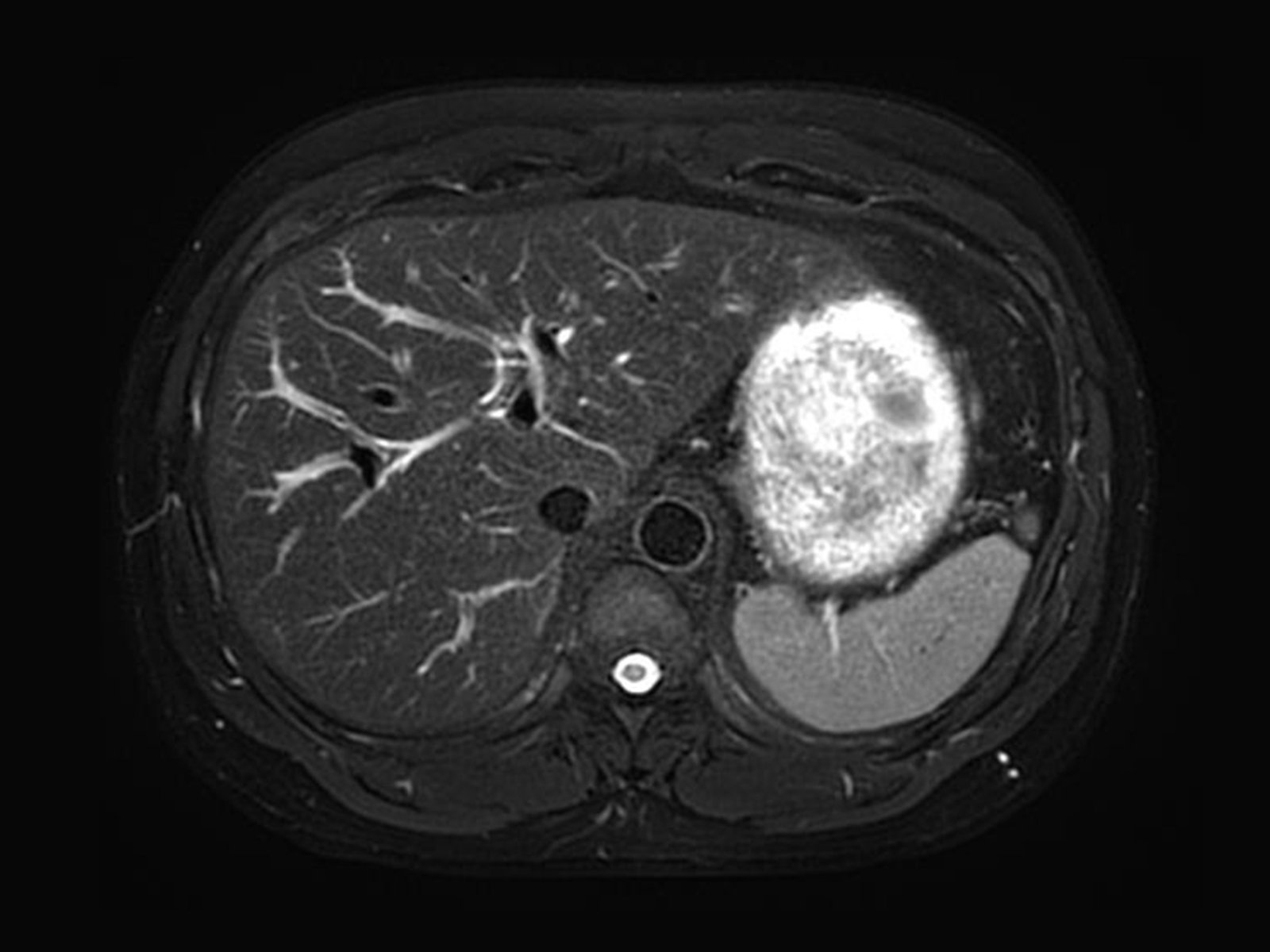
With EasySense respiratory monitoring, the uMR 680 supports free-breathing abdominal MRI applications.
Contactless respiratory sensing allows respiratory motion to be monitored without attaching a conventional respiratory belt.
This can improve patient comfort and is particularly useful for patients who have difficulty performing repeated breath-holds.
14. Large-FOV and Whole-Body MRI
The uMR 680 supports a broad field of view and multi-bed scanning.
Clinical applications demonstrated by United Imaging include:
· Large-FOV abdominal imaging
· Whole-spine imaging
· Whole-body MRI
· Head-to-toe imaging
The broad field of view reduces the need for repeated repositioning and allows larger anatomical regions to be covered efficiently.
15. Non-Contrast-Enhanced MRA
The uMR 680 supports non-contrast-enhanced MR angiography (NCE-MRA).
This provides a contrast-agent-free approach to vascular imaging, which can be useful when contrast administration is undesirable or contraindicated.
Related Products
-
 United Imaging Low Dose CMOS Mobile C-arm uMC 560iUnited Imaging
 -
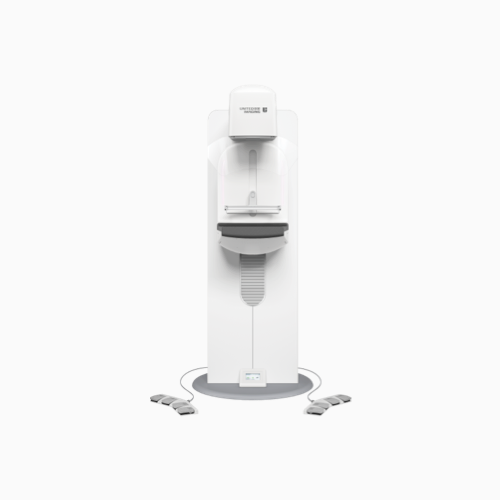 United Imaging Low Dose 3D Mammography System uMammo 890iUnited Imaging
 -
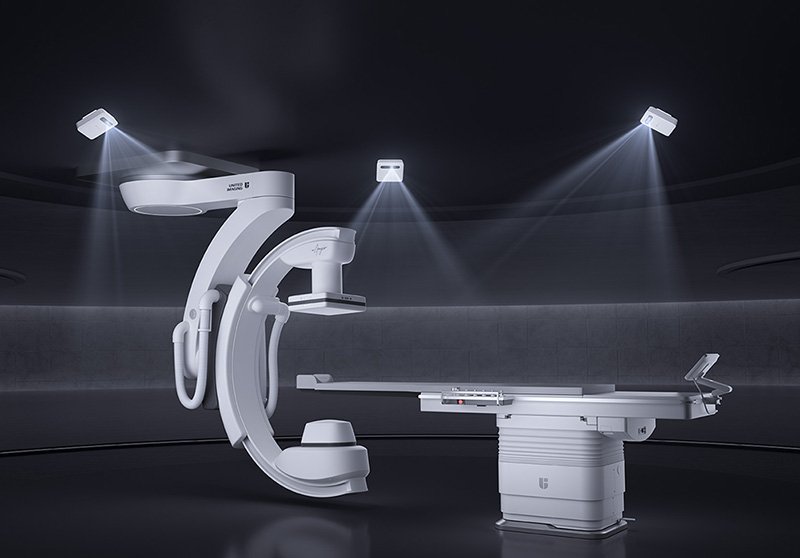 United Imaging Intelligent Angiography System uAngio® AVIVA CXUnited Imaging
 -
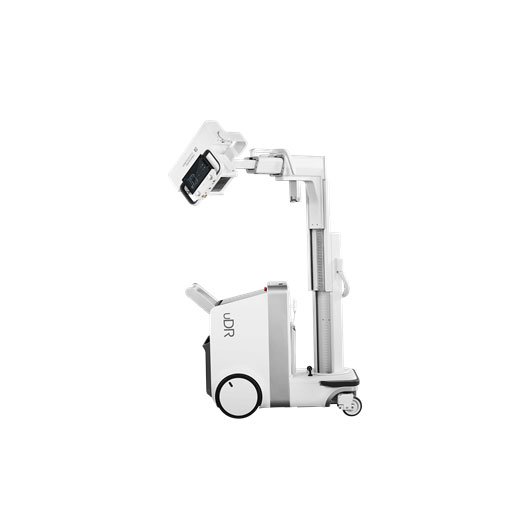 United Imaging Next Generation Remote-Vision Mobile DR uDR 380i ProUnited Imaging
 -
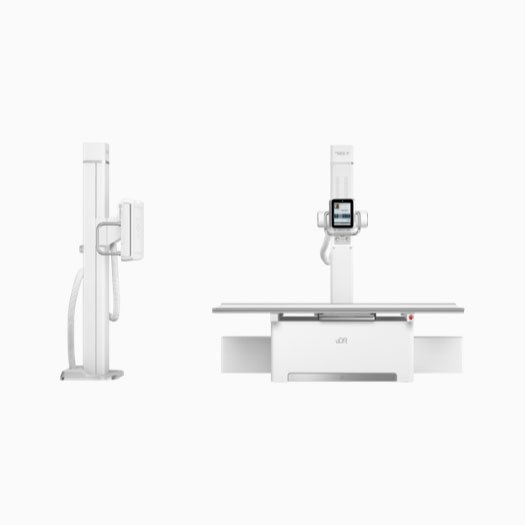 United Imaging Automatic Floor Mounted DR uDR 596iUnited Imaging
 -
 United Imaging uCT 960+United Imaging
 -
 United Imaging 40-slice CT uCT 520United Imaging
 -
 United Imaging uAIFI Empowered 1.5T MR uMR 680United Imaging
 -
 United Imaging The World's First Ultra-wide-bore 3T MRI uMR OmegaUnited Imaging
 -
 United Imaging World's First Whole-body UHF 5T MR uMR JupiterUnited Imaging
 -
 United Imaging The World's First Total-Body PET/CT uEXPLORERUnited Imaging
 -
 Mindray TE Air e5M Wireless handheld ultrasound systemMindray
 -
 Mindray Cardiovascular ultrasound System DC-80AMindray
 -
 Mindray Premium Ultrasound System for Radiology Resona A20Mindray